眉
| ||||||||
Translingual[edit]
Han character[edit]
眉 (Kangxi radical 109, 目+4, 9 strokes, cangjie input 日竹月山 (AHBU), four-corner 77267, composition ⿸𠃜目)
Derived characters[edit]
- 𠋥, 𭃽, 𠷯, 堳, 媚, 嵋, 𢃼, 𢔰, 𢰲, 湄, 猸, 𣈲, 𣎊, 楣, 煝, 𤚤, 瑂, 睸, 𥚵, 𧛰, 𡮠, 𥻡, 𫃷(𮉭), 蝞, 𮙣, 𧳬, 𨉭, 鎇(镅), 𩋿, 𫗗, 𩹪, 𱁤
- 𫐹, 𪵟, 䰨, 𮟟, 郿, 𣮮, 𫵇, 𦎨, 𥊟, 𥋜, 𥌏, 𥌙, 鶥(鹛), 𭿰, 𡩏, 葿, 𭾴, 篃, 𩄎, 𬴮, 𠪃, 𮚯, 𡡻, 𣽪, 𦠙, 𡭌, 𧱸
References[edit]
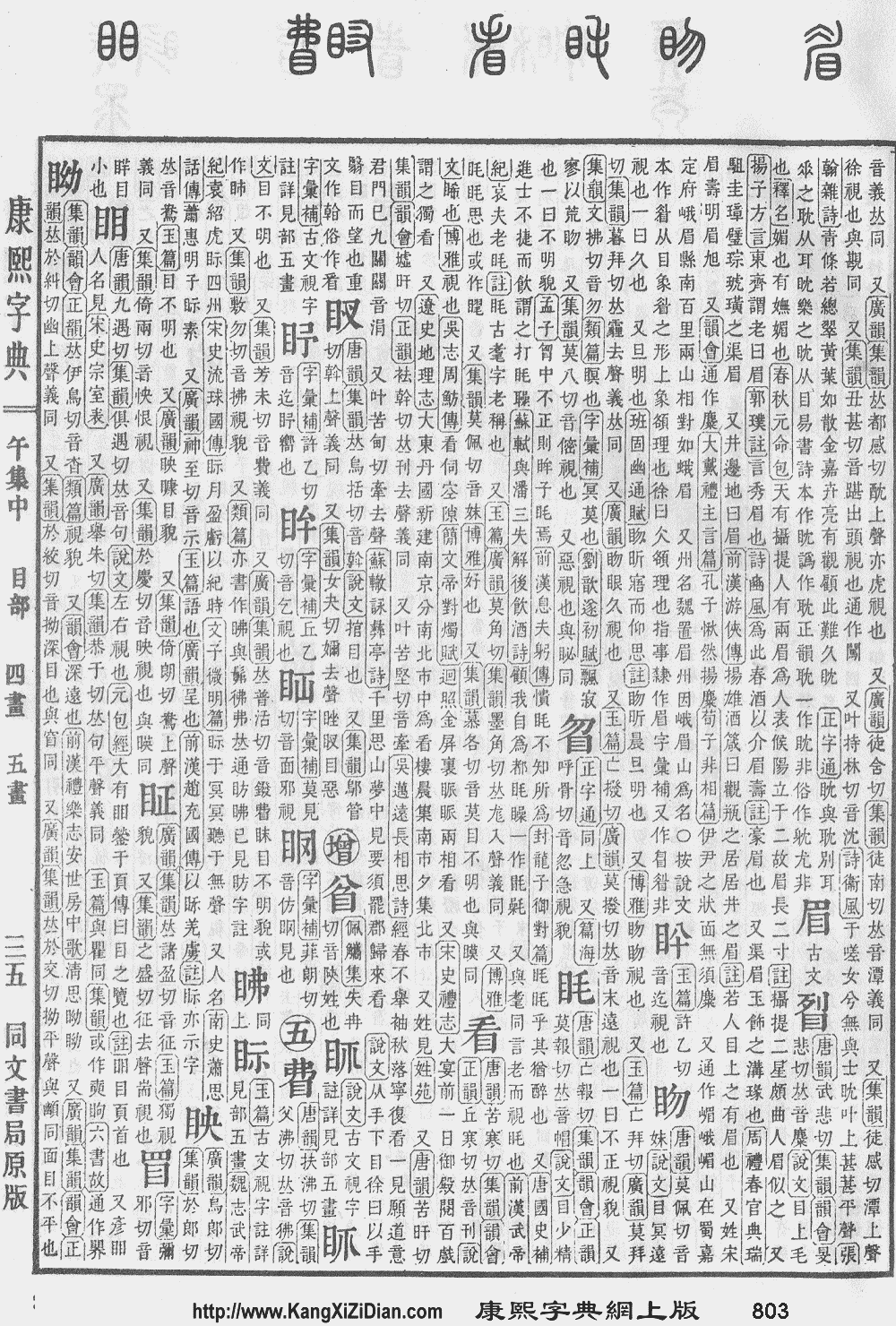
- Kangxi Dictionary: page 803, character 1
- Dai Kanwa Jiten: character 23190
- Dae Jaweon: page 1218, character 20
- Hanyu Da Zidian (first edition): volume 4, page 2478, character 3
- Unihan data for U+7709
Chinese[edit]
| simp. and trad. |
眉 | |
|---|---|---|
| 2nd round simp. | 𠃜 | |
| alternative forms | 屓/屃 𪎯 𪎭 𣅩 | |
Glyph origin[edit]
| Historical forms of the character 眉 | |||
|---|---|---|---|
| Shang | Western Zhou | Shuowen Jiezi (compiled in Han) | Liushutong (compiled in Ming) |
| Oracle bone script | Bronze inscriptions | Small seal script | Transcribed ancient scripts |

|

|

|

|
Pictogram (象形) : 𠃜 + 目 (eye), hair above an eye. The component for hair became 𠃜 during the development into the seal and clerical scripts.
Etymology[edit]
From Proto-Sino-Tibetan *s/r-m(u/i/ja)l (“hair; fur; feather”) (STEDT). Cognate with Tibetan སྨིན་མ (smin ma, “eyebrow”), Burmese အမွေး (a.mwe:, “hair; fur; feather”).
Pronunciation[edit]
Definitions[edit]
眉
Synonyms[edit]
Compounds[edit]
- 一字眉 (yīzìméi)
- 不讓鬚眉/不让须眉
- 丟眉丟眼/丢眉丢眼
- 丟眉弄眼/丢眉弄眼
- 丟眉弄色/丢眉弄色
- 仰首伸眉
- 伸眉
- 低眉
- 伸眉吐氣/伸眉吐气
- 促眉
- 俊眼修眉
- 倒八字眉 (dàobāzìméi)
- 修眉 (xiūméi)
- 做眉眼
- 八字宮眉/八字宫眉
- 八字眉 (bāzìméi)
- 列眉
- 劍眉/剑眉
- 劍眉星眼/剑眉星眼
- 努目撐眉/努目撑眉
- 勾眉
- 卬首信眉
- 吊客眉
- 吐氣揚眉/吐气扬眉
- 喜上眉梢 (xǐshàngméishāo)
- 單眉/单眉
- 喬眉畫眼/乔眉画眼
- 喜眉笑眼
- 單眉細眼/单眉细眼
- 嚇眉唬眼/吓眉唬眼
- 夫婦齊眉/夫妇齐眉
- 娥眉 (éméi)
- 安眉帶眼/安眉带眼
- 宮眉/宫眉
- 尨眉皓髮/尨眉皓发
- 展眉
- 展眼舒眉
- 峨眉 (Éméi)
- 巾幗鬚眉/巾帼须眉
- 帶眼安眉/带眼安眉
- 龐眉白髮/庞眉白发
- 龐眉皓首/庞眉皓首
- 龐眉皓髮/庞眉皓发
- 張敞畫眉/张敞画眉
- 張眉弩眼/张眉弩眼
- 得挹芝眉
- 怒目攢眉/怒目攒眉
- 怒目橫眉/怒目横眉
- 惡眉惡眼/恶眉恶眼
- 愁眉 (chóuméi)
- 愁眉不展 (chóuméibùzhǎn)
- 愁眉淚眼/愁眉泪眼
- 愚眉肉眼
- 愁眉苦目
- 愁眉苦眼
- 愁眉苦臉/愁眉苦脸 (chóuméikǔliǎn)
- 慈眉善目
- 扎眉扎眼
- 挽眉毛
- 掃眉/扫眉
- 掃眉才子/扫眉才子
- 掄眉豎目/抡眉竖目
- 掐鼻皺眉/掐鼻皱眉
- 揚眉吐氣/扬眉吐气
- 揚眉奮髯/扬眉奋髯
- 揚眉抵掌/扬眉抵掌
- 揚眉挺身/扬眉挺身
- 描眉畫眼/描眉画眼
- 摧眉
- 摧眉折腰
- 撐眉努眼/撑眉努眼
- 擠眉弄眼/挤眉弄眼
- 擠眉溜眼/挤眉溜眼
- 擰眉瞪眼/拧眉瞪眼
- 擠眼弄眉/挤眼弄眉
- 攢眉/攒眉 (cuánméi)
- 攢眉苦臉/攒眉苦脸
- 攢眉蹙鼻/攒眉蹙鼻
- 斂首低眉/敛首低眉
- 書眉/书眉
- 月眉星眼
- 有眉目
- 朗目疏眉
- 柳眉
- 柳眉倒豎/柳眉倒竖
- 柳眉剔豎/柳眉剔竖
- 柳眉踢豎/柳眉踢竖
- 柳葉眉/柳叶眉
- 橫眉/横眉
- 橫眉怒目/横眉怒目
- 橫眉瞪眼/横眉瞪眼
- 橫眉豎目/横眉竖目
- 死眉瞪眼
- 毫無眉目/毫无眉目
- 氣吐眉揚/气吐眉扬
- 淡掃蛾眉/淡扫蛾眉
- 淚眼愁眉/泪眼愁眉
- 濃眉/浓眉 (nóngméi)
- 濃眉大眼/浓眉大眼 (nóngméi dà yǎn)
- 火燒眉毛/火烧眉毛 (huǒshāoméimáo)
- 焦眉
- 燃眉
- 燃眉之急 (ránméizhījí)
- 燒眉之急/烧眉之急
- 畫眉/画眉 (huàméi)
- 畫眉張敞/画眉张敞
- 畫眉舉案/画眉举案
- 白眉 (báiméi)
- 白眉神
- 白眉赤眼
- 白眉鴃/白眉𫛞
- 白髮齊眉/白发齐眉
- 百齡眉壽/百龄眉寿
- 皓齒蛾眉/皓齿蛾眉
- 皺眉/皱眉 (zhòuméi)
- 皺眉蹙眼/皱眉蹙眼
- 直眉瞪眼
- 看人眉睫
- 眉似春山
- 眉低眼慢
- 眉來眼去/眉来眼去 (méiláiyǎnqù)
- 眉來語去/眉来语去
- 眉兒眼兒/眉儿眼儿
- 眉分八彩
- 眉刷
- 眉勢/眉势
- 眉南面北
- 眉史
- 眉單/眉单
- 眉垂目合
- 眉壽/眉寿 (méishòu)
- 眉如墨畫/眉如墨画
- 眉宇 (méiyǔ)
- 眉尖
- 眉尖眼尾
- 眉尾相結/眉尾相结
- 眉山 (Méishān)
- 眉山秀
- 眉峰雙鎖/眉峰双锁
- 眉心 (méixīn)
- 眉急
- 眉戶/眉户
- 眉批 (méipī)
- 眉月
- 眉梢 (méishāo)
- 眉棱
- 眉棱骨
- 眉橫丹鳳/眉横丹凤
- 眉歡眼笑/眉欢眼笑
- 眉毛 (méimáo)
- 眉清目朗
- 眉清目秀 (méiqīngmùxiù)
- 眉甲
- 眉目
- 眉目不清
- 眉目傳情/眉目传情 (méimù chuánqíng)
- 眉目如畫/眉目如画
- 眉目明秀
- 眉目清明
- 眉眼 (méiyǎn)
- 眉眼不開/眉眼不开
- 眉眼傳情/眉眼传情
- 眉眼高低
- 眉睫 (méijié)
- 眉睫之內/眉睫之内
- 眉睫之利
- 眉睫之禍/眉睫之祸
- 眉立
- 眉筆/眉笔
- 眉繭/眉茧
- 眉花眼笑
- 眉裡/眉里
- 眉語/眉语
- 眉貼花鈿/眉贴花钿
- 眉蹙春山
- 眉軒/眉轩
- 眉開/眉开
- 眉間尺/眉间尺
- 眉開眼笑/眉开眼笑 (méikāiyǎnxiào)
- 眉間赤/眉间赤
- 眉面
- 眉頭/眉头 (méitóu)
- 眉頭不伸/眉头不伸
- 眉頭不展/眉头不展
- 眉頭眼腦/眉头眼脑
- 眉飛色舞/眉飞色舞 (méifēisèwǔ)
- 眉高眼低
- 眉黛 (méidài)
- 眼去眉來/眼去眉来
- 眼眉 (yǎnméi)
- 睜眉怒目/睁眉怒目
- 秀眉
- 秋眉
- 立眉嗔目
- 立眉立眼
- 粗眉大眼
- 紋眉/纹眉 (wénméi)
- 細眉/细眉
- 紫芝眉宇
- 繭眉/茧眉
- 翠眉
- 老君眉
- 肉眼愚眉
- 臥蠶眉/卧蚕眉 (wòcánméi)
- 自然蛾眉
- 舉案齊眉/举案齐眉 (jǔ'ànqíméi)
- 舒眉 (shūméi)
- 色飛眉舞/色飞眉舞
- 芝眉
- 苫眉努目
- 苫眼鋪眉/苫眼铺眉
- 菩薩低眉/菩萨低眉
- 薄眉
- 虎眉
- 蛾眉 (éméi)
- 蛾眉月 (éméiyuè)
- 蛾眉班
- 蛾眉皓齒/蛾眉皓齿
- 蛾眉螓首
- 蛾眉豆
- 螓首蛾眉
- 西施顰眉/西施颦眉
- 西眉南臉/西眉南脸
- 觀眉說眼/观眉说眼
- 賊眉鼠眼/贼眉鼠眼
- 赤眉 (Chìméi)
- 蹙眉 (cùméi)
- 蹙眉長歎/蹙眉长叹
- 蹙額愁眉/蹙额愁眉
- 蹙額顰眉/蹙额颦眉
- 軒眉/轩眉
- 近在眉睫
- 迫在眉睫 (pòzàiméijié)
- 迫於眉睫/迫于眉睫
- 送眼流眉
- 通眉長爪/通眉长爪
- 遠山眉/远山眉
- 酒介齊眉/酒介齐眉
- 重眉毛
- 鋪眉搧眼/铺眉搧眼
- 鋪眉苫眼/铺眉苫眼
- 鋪眉蒙眼/铺眉蒙眼
- 鎖眉/锁眉 (suǒméi)
- 閉眉刷眼/闭眉刷眼
- 開眉展眼/开眉展眼
- 雙眉直豎/双眉直竖
- 雙眉緊鎖/双眉紧锁
- 面北眉南
- 須眉/须眉 (xūméi)
- 顰眉/颦眉 (pínméi)
- 顰眉蹙額/颦眉蹙额
- 顰蛾眉/颦蛾眉
- 馬良白眉/马良白眉
- 鬚眉/须眉 (xūméi)
- 鮮眉亮眼/鲜眉亮眼
- 黑眉烏嘴/黑眉乌嘴
- 黛眉
- 齊眉/齐眉
- 齊眉棍/齐眉棍
- 齊眉舉案/齐眉举案
- 龍眉鳳目/龙眉凤目
- 龍眉鳳眼/龙眉凤眼
Japanese[edit]
Kanji[edit]
Readings[edit]
Etymology 1[edit]
| Kanji in this term |
|---|
| 眉 |
| まゆ Grade: S |
| kun’yomi |
/majo/ → /maju/
From Old Japanese. Appears in the Man'yōshū poetry anthology of the mid-700s with the reading mayo.[1] The ma element is very likely 目 (ma, “eye”, ancient combining form of modern me reading), but the derivation of the yo element is unclear.
Pronunciation[edit]
Noun[edit]
Derived terms[edit]
Etymology 2[edit]
| Kanji in this term |
|---|
| 眉 |
| び Grade: S |
| kan’on |
From Middle Chinese 眉 (MC mij).
Affix[edit]
Etymology 3[edit]
| Kanji in this term |
|---|
| 眉 |
| み Grade: S |
| goon |
From Middle Chinese 眉 (MC mij).
Affix[edit]
References[edit]
- ^ “眉”, in 日本国語大辞典 (Nihon Kokugo Daijiten, “Nihon Kokugo Daijiten”)[1] (in Japanese), concise edition, Tōkyō: Shogakukan, 2000}
- ^ Matsumura, Akira, editor (2006), 大辞林 (in Japanese), Third edition, Tōkyō: Sanseidō, →ISBN
Korean[edit]
Etymology[edit]
From Middle Chinese 眉 (MC mij). Recorded as Middle Korean 미 (mi) (Yale: mi) in Hunmong Jahoe (訓蒙字會 / 훈몽자회), 1527.
Hanja[edit]

Compounds[edit]
References[edit]
- 국제퇴계학회 대구경북지부 (國際退溪學會 大邱慶北支部) (2007). Digital Hanja Dictionary, 전자사전/電子字典. [2]
Vietnamese[edit]
Han character[edit]
眉: Hán Nôm readings: mi, mày, mầy, mì, my
- This term needs a translation to English. Please help out and add a translation, then remove the text
{{rfdef}}.
References[edit]
- Nom Foundation
- Lê Sơn Thanh, "Nom-Viet.dat", WinVNKey (details)
- CJK Unified Ideographs block
- Han script characters
- Translingual lemmas
- Translingual symbols
- Han pictograms
- Chinese terms inherited from Proto-Sino-Tibetan
- Chinese terms derived from Proto-Sino-Tibetan
- Middle Chinese lemmas
- Old Chinese lemmas
- Chinese lemmas
- Mandarin lemmas
- Cantonese lemmas
- Hakka lemmas
- Jin lemmas
- Northern Min lemmas
- Eastern Min lemmas
- Hokkien lemmas
- Teochew lemmas
- Wu lemmas
- Chinese nouns
- Mandarin nouns
- Cantonese nouns
- Hakka nouns
- Jin nouns
- Northern Min nouns
- Eastern Min nouns
- Hokkien nouns
- Teochew nouns
- Wu nouns
- Chinese terms with IPA pronunciation
- Chinese Han characters
- Chinese nouns classified by 條/条
- Chinese nouns classified by 堂
- Hokkien terms with quotations
- Japanese Han characters
- Common kanji
- Japanese kanji with goon reading み
- Japanese kanji with kan'on reading び
- Japanese kanji with kun reading まゆ
- Japanese terms spelled with 眉 read as まゆ
- Japanese terms read with kun'yomi
- Japanese terms inherited from Old Japanese
- Japanese terms derived from Old Japanese
- Japanese terms with IPA pronunciation
- Japanese lemmas
- Japanese nouns
- Japanese terms with multiple readings
- Japanese terms spelled with secondary school kanji
- Japanese terms written with one Han script character
- Japanese terms spelled with 眉
- Japanese single-kanji terms
- Japanese terms spelled with 眉 read as び
- Japanese terms read with on'yomi
- Japanese terms derived from Middle Chinese
- Japanese affixes
- Japanese terms spelled with 眉 read as み
- ja:Anatomy
- ja:Hair
- Korean terms derived from Middle Chinese
- Middle Korean Han characters
- Korean lemmas
- Korean Han characters
- Vietnamese lemmas
- Vietnamese Han characters