li
Albanian • Aragonese • Aromanian • Catalan • Corsican • Dutch • Esperanto • French • Galician • Guinea-Bissau Creole • Haitian Creole • Ido • Istriot • Italian • Japanese • Jarawa • Kabuverdianu • Khumi Chin • Livonian • Louisiana Creole • Maltese • Mandarin • Mauritian Creole • Michif • Miskito • Mokilese • Moore • Munsee • Neapolitan • Niuatoputapu • Norman • Northern Kurdish • Norwegian Bokmål • Norwegian Nynorsk • Old French • Old Occitan • Old Polish • Polish • Portuguese • Romagnol • Romanian • Sassarese • Serbo-Croatian • Sicilian • Sumerian • Swahili • Tedim Chin • Tooro • Vietnamese • Volapük • Walloon • West Makian • Yoruba • Zou
Page categories
Translingual
[edit]Symbol
[edit]li
- (mathematics) The symbol for the logarithmic integral function.
- (international standards) ISO 639-1 language code for Limburgish.
English
[edit]Pronunciation
[edit]- IPA(key): /liː/
Audio (Southern England): (file) - Rhymes: -iː
Etymology 1
[edit]An early romanization of Chinese Mandarin 里 (lǐ). As a Korean unit, via the Yale romanization of Korean 리 (ri), from the Chinese distance.
Alternative forms
[edit]- (Korea): ri
Noun
[edit]li (plural lis or li)
- The Chinese mile, a traditional unit of distance equal to 1500 chis or 150 zhangs, now standardized as a half-kilometer (500 meters).
- Synonym: Chinese mile
- 1927, Chi Li, “Archaeological Survey of the Fêng River Valley, Southern Shansi, China”, in Explorations and Field-work of the Smithsonian Institution in 1926 (Smithsonian Miscellaneous Collections)[1], volume 78, number 7, Washington, D.C.: Smithsonian Institution, →OCLC, page 129:
- It was a whole day's journey from I-ch'eng to Chü-wo which, in turn, is about 60 li east of Chiang Chou — one of the most important cities in southern Shansi and a center for curio-dealers.
- 1999 [1994], Heng (邹衡) Zou, “The Early Jin State Capital Discovered: a Personal Account”, in Roderick Whitfield, Wang Tao, transl., Exploring China's Past: New Discoveries and Studies in Archaeology and Art[2], Saffron Books, Eastern Art Publishing, →ISBN, →OCLC, page 106:
- In 1979, while we were conducting our archaeological work in Yucheng and Quwo, Shanxi province, I noticed another historical record in the Kuodizhi (a comprehensive account of geography written in 641), which stated that "the ancient city of Tang was 20 li west of Yuchengxian in Jiangzhou."
- 2000, Shui-Bian Chen, “Learning and Transformation”, in David J. Toman, transl., The Son of Taiwan: The Life of Chen Shui-Bian and His Dreams for Taiwan[3], Taiwan Publishing Co., Ltd., →ISBN, →OCLC, page 40:
- The two gods who accompany Matsu, one with eyes that can see 1000 li⁶ and the other with ears that can hear far over the horizon, represent empathy, observation, and feeling. Government should be like Matsu, equipped with acute powers of observation; see clearly to the bottom of issues, and know how to respond.
- For more quotations using this term, see Citations:li.
- The Korean mile, a traditional unit of distance equivalent to about 393 m.
- Synonym: Korean mile
- 1980, Il-sung Kim, “Meeting with My Comrades-in-Arms in North Manchuria”, in Kim Il Sung Works[4], volume 48, Pyongyang: Foreign Languages Publishing House, →OCLC, page 144:
- While scaling the Laoyeling Mountains, the Chinese Worker-Peasant Red Army, under the command of Mao Ze-dong and Zhu De, was successfully stepping up the historic 25 000-li Long March in China proper, breaking through the surrounding rings formed by Chiang Kai-shek’s army.
Translations
[edit]Etymology 2
[edit]Noun
[edit]li (plural li)
- A traditional Chinese unit of weight, equal to one-thousandth of a liang, or fifty milligrams.
Etymology 3
[edit]Noun
[edit]li (plural li)
Etymology 4
[edit]Noun
[edit]li (plural li)
- An ancient Chinese cauldron having three hollow legs.
Etymology 5
[edit]Altered from la, with the vowel changed to signify a raised note.
Noun
[edit]li (uncountable)
- (music) In solfège, the raised sixth note of a major scale (the note A-sharp in the fixed-do system).
Anagrams
[edit]Albanian
[edit]Etymology 1
[edit]Orel suggests from South Slavic, compare Serbo-Croatian lȉh (“exclusive”), lȋh (“false, odd”), Slovene lȋh (“uneven, odd”).[1] However, generally thought to be from Ancient Greek εὐλογία (eulogía) "blessing", with a euphemistic sense development.[2][3] Compare e.g. the euphemistic synonym "e lume" (the happy/blessed one)[4]
Alternative forms
[edit]Noun
[edit]li f (definite lia)
- pox
- olive scab, peacock spot (Cycloconium oleaginum)
- Synonym: sypallua
Hyponyms
[edit]- li e bardhë (“chicken pox”)
- li e dushkut (“chicken pox”)
- li e dhenve (“sheeppox”)
- li e madhe (“smallpox”)
- li e mirë (“chicken pox”)
- li e pyllit (“chicken pox”)
- li e ullirit (“olive scab, peacock spot”) (Cycloconium oleaginum)
Derived terms
[edit]References
[edit]- ^ Orel, Vladimir E. (1998) “lijë”, in Albanian Etymological Dictionary, Leiden, Boston, Köln: Brill, →ISBN, page 227
- ^ Eqrem Çabej, Studime etimologjike në fushë të shqipes, Akademia e Shkencave e RPS të Shqipërisë, Instituti i Gjuhësisë dhe i Letërsisë, 1996, page 168
- ^ Eqrem Çabej, Studime Filologjike, Akademia e Shkencave e RPSSH, Instituti i Gjuhësisë dje i Letërsisë., 1990, page 99
- ^ Eqrem Çabej, Studime gjuhësore: Nga historia e gjuhës shqipe, Rilindja, 1977, page 22
Etymology 2
[edit]Borrowed through Vulgar Latin from Latin līnum.
Noun
[edit]li m (definite liri)
Aragonese
[edit]Etymology
[edit]Pronoun
[edit]li
- him (indirect object)
Synonyms
[edit]Aromanian
[edit]Etymology
[edit]From Latin illis, dative common plural of ille. Compare Romanian le.
Pronoun
[edit]li f (short/unstressed accusative form of eali)
- (direct object) them (all-female group)
Related terms
[edit]- lã (feminine/masculine plural dative- short/unstressed form)
- u (feminine singular accusative- short/unstressed form)
- (a) lor (feminine/masculine plural dative- long/stressed form)
Catalan
[edit]Etymology
[edit]Inherited from Latin illī, dative common singular of ille.
Pronunciation
[edit]Pronoun
[edit]li (enclitic and proclitic)
Declension
[edit]Corsican
[edit]Etymology
[edit]From Latin illi, masculine plural of ille, from Old Latin olle. Cognates include Italian gli (“the, them”) and Romanian îi (“them”).
Pronoun
[edit]li
See also
[edit]Article
[edit]li
References
[edit]Dutch
[edit]Pronunciation
[edit]Audio: (file)
Noun
[edit]li m (uncountable)
- li (Chinese unit of distance)
Esperanto
[edit]Etymology
[edit]From Italian lui, French lui, or Spanish le, plus the i of personal pronouns.
Pronunciation
[edit]Pronoun
[edit]li (accusative lin, possessive lia)
- (personal pronoun) he
Usage notes
[edit]- Li is traditionally used as both a masculine and a gender-neutral pronoun, but since the 1970s generic usage has sometimes been criticized and is increasingly being avoided and replaced by "ĝi" and or "oni" and or "li aŭ ŝi". Some people (reformists) think this is an imperfect solution which is inappropriately long. In response to such criticisms, there have been various proposals for new pronouns, but the only proposal that has been gaining some adoption is ri.
Synonyms
[edit]Related terms
[edit]- ili (“they”) (plural)
French
[edit]Pronunciation
[edit]Etymology 1
[edit]Borrowed from Mandarin 里 (lǐ).
Noun
[edit]li m (plural lis)
- li (Chinese unit of distance)
Etymology 2
[edit]Probably from influence of Louisiana Creole li (“he, she, it”).
Pronoun
[edit]li (second person singular, objective case)
Further reading
[edit]- “li”, in Trésor de la langue française informatisé [Digitized Treasury of the French Language], 2012.
Anagrams
[edit]Galician
[edit]Verb
[edit]li
- (reintegrationist norm) first-person singular preterite indicative of ler
Guinea-Bissau Creole
[edit]Etymology
[edit]From Portuguese ali. Cognate with Kabuverdianu li.
Adverb
[edit]li
Haitian Creole
[edit]Pronunciation
[edit]Etymology 1
[edit]Pronoun
[edit]li (contracted form l)
Etymology 2
[edit]Verb
[edit]li
- to read
Ido
[edit]Etymology
[edit]From lu (“he, him, she, her, it, that”) + -i (“-s; plural”).
Pronoun
[edit]li pl
Related terms
[edit]Istriot
[edit]Article
[edit]li
- masculine plural definite article
- 1877, Antonio Ive, Canti popolari istriani: raccolti a Rovigno, volume 5, Ermanno Loescher, page 40:
- Ti me pari oûna dea infra li dai,
- You seem to me a goddess among the gods
Italian
[edit]Etymology 1
[edit]From Latin illī, nominative masculine plural of ille.
Alternative forms
[edit]- -li (enclitic)
Pronunciation
[edit]- IPA(key): °/li/°
- Homophone: lì
- Rhymes: -i
- Hyphenation: li
- As an unstressed clitic, it does not trigger syntactic gemination of the following consonant. It also actively blocks syntactic gemination of its initial consonant, such as after a word like però (“but”) that would normally trigger syntactic gemination. (This does not apply to the enclitic form -li, e.g. dalli a me (“give them to me”).)
Pronoun
[edit]li m pl
- (accusative) them (masculine)
- Li ricordo. ― I remember them.
Usage notes
[edit]- Never elides.
See also
[edit]| Number | Person | Gender | Nominative | Reflexive | Accusative | Dative | Combined | Disjunctive | Locative | Partitive |
|---|---|---|---|---|---|---|---|---|---|---|
| Singular | first | — | io | mi, m', -mi | me | me | — | |||
| second | — | tu | ti, t', -ti | te | te | |||||
| third | m | lui | si2, s', -si | lo, l', -lo | gli, -gli | glie, se2 | lui, sé | ci, c', vi, v' (formal) |
ne, n' | |
| f | lei, Lei1 | la, La1, l', L'1, -la, -La1 | le3, Le1, -le3, -Le1 | lei, Lei1, sé | ||||||
| Plural | first | — | noi | ci, c', -ci | ce | noi | — | |||
| second | — | voi, Voi4 | vi, Vi4, v', V'4, -vi, -Vi4 | ve | voi, Voi4 | |||||
| third | m | loro, Loro1 | si, s', -si | li, Li1, -li, -Li1 | gli, -gli, loro (formal), Loro1 |
glie, se | loro, Loro1, sé | ci, c', vi, v' (formal) |
ne, n' | |
| f | le, Le1, -le, -Le1 | |||||||||
| 1 | Third person pronominal forms used as formal terms of address to refer to second person subjects (with the first letter frequently capitalised as a sign of respect, and to distinguish them from third person subjects). Unlike the singular forms, the plural forms are mostly antiquated terms of formal address in the modern language, and second person plural pronouns are almost always used instead. | |||||||||
| 2 | Also used as indefinite pronoun meaning “one”, and to form the passive. | |||||||||
| 3 | Often replaced by gli, -gli in informal language. | |||||||||
| 4 | Formal (capitalisation optional); in many regions, can refer to just one person (compare with French vous). | |||||||||
Etymology 2
[edit]Variant of gli.
Article
[edit]li m pl (singular lo)
Pronoun
[edit]li m pl (singular lo)
Etymology 3
[edit]Adverb
[edit]li
- Misspelling of lì.
Anagrams
[edit]Japanese
[edit]Romanization
[edit]li
Jarawa
[edit]Etymology
[edit]Pronunciation
[edit]Determiner
[edit]li
Pronoun
[edit]li
- this, these, this one, these ones
- Coordinate term: luwə (“that”)
- li topo t-ita-b.
- He ate the snake.
- li aːw.
- This is a bow.
References
[edit]- Kumar, Pramod (2012) Descriptive and Typological Study of Jarawa[5] (PhD). Jawaharlal Nehru University. Page 85, 101—102.
Kabuverdianu
[edit]Etymology
[edit]From Portuguese ali.
Adverb
[edit]li
Khumi Chin
[edit]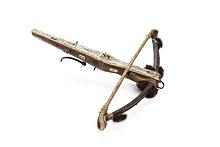
Etymology
[edit]From Proto-Kuki-Chin *lii, from Proto-Sino-Tibetan *d-liy. Cognate to Burmese လေး (le:, “bow”) and S'gaw Karen ချံၣ် (khleè, “bow”).
Pronunciation
[edit]Noun
[edit]li
References
[edit]- K. E. Herr (2011) The phonological interpretation of minor syllables, applied to Lemi Chin[6], Payap University, page 45
Livonian
[edit]Verb
[edit]li
Louisiana Creole
[edit]Etymology
[edit](This etymology is missing or incomplete. Please add to it, or discuss it at the Etymology scriptorium. Particularly: “May be unrelated to French "il" or "lui".”)
Pronunciation
[edit]Pronoun
[edit]li (third-person singular, plural yé, objective li, possessive sô, emphatic sokin, sochin)
Descendants
[edit]- → French: li
Maltese
[edit]Alternative forms
[edit]- illi (after a word-final consonant cluster)
Etymology
[edit]From Arabic اَلَّذِي (allaḏī, relative pronoun). Compare common dialectal Arabic اللي (illi, lli). The use as a conjunction is widely found in Maghrebi Arabic, so there is no reason to consider it a Romance influence (as might otherwise be thought; compare Italian che, which is both a relative pronoun and the conjunction “that”).
Pronunciation
[edit]Pronoun
[edit]li
- (relative) who; which; that
- Dan huwa r-raġel li seraq il-karozza. ― That’s the man who stole the car.
- Din hija ħaġa li tħawwadni. ― This is something that confuses me.
- 2018, Antoinette Borg, Amina, Merlin Publishers, →ISBN:
- Imnalla għajjatlu Fredu u kellu jwaqqaf l-eloġju ta’ nannuh, għax naħseb l-istorja li kien imiss kienet li għandu xi gżira privata.
- (please add an English translation of this quotation)
Usage notes
[edit]- Unlike standard Arabic, the relative pronoun is normally used also with indefinite referents (example sentence 2). However, it is optional in this case.
Conjunction
[edit]li
- that
- Nixtieq ngħidilha li nħobbha. ― I want to tell her that I love her.
Derived terms
[edit]Mandarin
[edit]Romanization
[edit]- Hanyu Pinyin reading of 哩
- Hanyu Pinyin reading of 裏/里
- Hanyu Pinyin reading of 裡/里
- Hanyu Pinyin reading of 里
li
- Nonstandard spelling of lī.
- Nonstandard spelling of lí.
- Nonstandard spelling of lǐ.
- Nonstandard spelling of lì.
Usage notes
[edit]- Transcriptions of Mandarin into the Latin script often do not distinguish between the critical tonal differences employed in the Mandarin language, using words such as this one without indication of tone.
Mauritian Creole
[edit]Etymology
[edit]Pronoun
[edit]li
See also
[edit]Michif
[edit]Etymology
[edit]Pronunciation
[edit]Article
[edit]li m (feminine la, masculine and feminine plural lii)
Miskito
[edit]Noun
[edit]li
References
[edit]- Eduard Conzemius, Ethnographical Survey of the Miskito and Sumu Indians (1932)
Mokilese
[edit]Noun
[edit]li
Inflection
[edit]Moore
[edit]Etymology
[edit]Pronunciation
[edit]Noun
[edit]li
Munsee
[edit]Particle
[edit]lí[1]
References
[edit]Neapolitan
[edit]Pronunciation
[edit]Pronoun
[edit]li
- Alternative form of 'i
Niuatoputapu
[edit]Article
[edit]li
Norman
[edit]Etymology
[edit]From Old French li, from Vulgar Latin *illui, a Vulgar Latin dative of Classical Latin ille.
Pronoun
[edit]li
Northern Kurdish
[edit]Etymology
[edit]Cognate with Central Kurdish لە (le), from earlier *ne < *en. Ultimately from Proto-Indo-European *en.
Pronunciation
[edit]- Rhymes: -ɪ
Preposition
[edit]| Central Kurdish | لە (le) |
|---|
li
- in
- li Kurdistanê ― in Kurdistan
- an element of several prepositions and circumpositions
Usage notes
[edit]- In most cases, "li" refers to on rather than in. The more south it goes the more the sense becomes much more extensive; in Central Kurdish encapsulating from, on, in, over, etc. as a whole. Around more Northern dialects, (li) ser ("on top") is used to mean on and in those regions "li" especially has the meaning of in, often times replacing di in "di ... de" ("in, inside"), compare li ... de.
- "li" can be added pretty much before any preposition except di, ji, bi; as in li ber, li pêş, li dijî, li hember, etc., all of which can be used without the li.
Related terms
[edit]Norwegian Bokmål
[edit]Etymology
[edit]Pronunciation
[edit]Noun
[edit]li f or m (definite singular lia or lien, indefinite plural lier, definite plural liene)
- A sloping mountainside or hillside covered with grass or forest.
References
[edit]- “li” in The Bokmål Dictionary.
Anagrams
[edit]Norwegian Nynorsk
[edit]Pronunciation
[edit]Etymology 1
[edit]From Old Norse hlíð, from Proto-Germanic *hlīdō, from Proto-Indo-European *ḱleytéh₂ (“something leaned, inclined”).
Alternative forms
[edit]Noun
[edit]li f (definite singular lia, indefinite plural lier, definite plural liene)
- a sloping mountainside or hillside covered with grass or forest.
Inflection
[edit]Historical inflection of li
Forms in italics are currently considered non-standard. Forms in [brackets] were official, but considered second-tier. Forms in (parentheses) were allowed under Midlandsnormalen. 1Nouns were capitalised for most of the 19th century. | ||||||||||||||||||||||||||||||||||||
Etymology 2
[edit]From Old Norse líða, from Proto-Germanic *līþaną. The sense of suffering may be a loan from Middle Low German.
Alternative forms
[edit]Verb
[edit]li (present tense lir, past tense lei, supine lidd or lidt or liden, past participle lidd or liden, present participle lidande, imperative li)
- (intransitive, of time) to pass, elapse
- (intransitive) to suffer
- (intransitive) to endure
- (intransitive) to tolerate, like
Related terms
[edit]References
[edit]- “li” in The Nynorsk Dictionary.
Anagrams
[edit]Old French
[edit]Pronunciation
[edit]Etymology 1
[edit]From Latin illī (“those”). The use for the nominative singular is due to a Vulgar Latin alteration of ille under the influence of the pronoun quī (“who, which”). The same influence (through the dative cui) also explains the Vulgar Latin forms mentioned in etymology 2 below. Doublet of il (“he”).
Article
[edit]li
- the (masculine nominative singular and plural definite article)
- c. 1170, Chrétien de Troyes, Érec et Énide:
- Li rois respont: "N'est pas mançonge"
- The king replied "this is no lie"
Inflection
[edit]Etymology 2
[edit]Either directly from Latin illī, dative singular of ille (“that one”), or from reduction of Old French lui, lei, themselves from Vulgar Latin *illui, *illei. This depends on whether the innovative forms had replaced illī entirely in Gaul or whether they existed side by side with it. Compare Italian gli, Spanish le, Portuguese lhe.
Pronoun
[edit]li
- third-person singular indirect object pronoun; to him, to her, to it, chiefly atonic form of lui and lei
- c. 1180, Chrétien de Troyes, Lancelot ou le Chevalier de la charrette:
- Si li ancomancent a dire
- He started to tell him
Old Occitan
[edit]Etymology
[edit]Article
[edit]li
- the (masculine nominative singular and plural definite article)
Old Polish
[edit]Etymology
[edit]Inherited from Proto-Slavic *li.[1][2] First attested in 1395. Displaced by Polish czy.
Pronunciation
[edit]Particle
[edit]li
- (attested in Lesser Poland, Greater Poland) interrogative particle: introduces a yes-no question
- 1939 [end of the 14th century], Ryszard Ganszyniec, Witold Taszycki, Stefan Kubica, Ludwik Bernacki, editors, Psałterz florjański łacińsko-polsko-niemiecki [Sankt Florian Psalter][7], Krakow: Zakład Narodowy imienia Ossolińskich, z zasiłkiem Sejmu Śląskiego [The Ossoliński National Institute: with the benefit of the Silesian Parliament], pages 72, 11:
- Kaco bog we y iestli wedzene (si est scientia) na wysocosci?
- [Kako Bog wie? I jestli wiedzenie (si est scientia) na wysokości?]
- 1959 [1395], Henryk Kowalewicz, Władysław Kuraszkiewicz, editors, Wielkopolskie roty sądowe XIV-XV wieku, Roty poznańskie, volume I, number 187, Poznań:
- Kedi w wogewodi bili, tedi go szø pitali, moszeli goscza dafnoszcø sbicz
- [Kiedy u wojewody byli, tedy go się pytali, możeli gościa dawnością zbyć]
- (when reduplicated, attested in Pomerania, Greater Poland) whether … or
- 1930 [c. 1455], “I Reg”, in Ludwik Bernacki, editor, Biblia królowej Zofii (Biblia szaroszpatacka)[8], 14, 37:
- Mamly boiowacz s Fylystinmy a podaszly ge (num persequar Philisthiim, si trades eos) w røce israhelske?
- [Mamli bojować z Filistynmi a podaszli je (num persequar Philisthiim, si trades eos) w ręce israhelskie?]
- 1930 [c. 1455], “Ex”, in Ludwik Bernacki, editor, Biblia królowej Zofii (Biblia szaroszpatacka)[9], 17, 7:
- Gestly pan w nas czyly nyczs (estne..., an non)?
- [Jestli Pan w nas, czyli nics (estne..., an non)?]
- 1930 [c. 1455-1460], Ortyle magdeburskie Vrtel 116-120, page 118:
- Pytalysczye nasz...: Gyestly k themv mvrowanemv domv nyewyasthą blyszką, czyly thy tho dzyeczy, czyly prawo
- [Pytaliście nas...: Jestli k temu murowanemu domu niewiasta bliska, czyli ty to dzieci, czyli [co jest] prawo]
- Middle of the 15th century, Rozmyślanie o żywocie Pana Jezusa[10], page 694:
- Nye vymy, gdzye y nam vyedzyono any vymy, yesczely zyw, albo yvzly vbyly
- [Nie wimy, gdzie ji nam wiedziono ani wimy, jeszczeli żyw, albo jużli ji ubili]
- 1874-1891 [15th century], Rozprawy i Sprawozdania z Posiedzeń Wydziału Filologicznego Akademii Umiejętności[11], [12], [13], volume XXIV, Grochów, West Pomeranian Voivodeship, Kcynia, page 68:
- Primo an liceat, moszeli, volnoli yest, secundo an deceat, podobnoli, tertio an expediat, pot[r]zebnoli
- [Primo an liceat, możeli, wolnoli jest, secundo an deceat, podobnoli, tertio an expediat, pot[r]zebnoli]
- 1930 [c. 1455], “Num”, in Ludwik Bernacki, editor, Biblia królowej Zofii (Biblia szaroszpatacka)[14], 13, 19:
- Opatrzicze... lvd, genze bydli w nyey, gestli silni, czili mdli, iestli mali, czili wyeliki (considerate... et populum, qui habitator est eius, utrum fortis sit, an infirmus, si pauci numero, an plures)
- [Opatrzycie... lud, jenże bydli w niej, jestli silny czyli mdły, jestli mały czyli wieliki (considerate... et populum, qui habitator est eius, utrum fortis sit, an infirmus, si pauci numero, an plures)]
- 1861 [1427], Pismo poświęcone naukom, sztukom i przemysłowi[15], volume III, Biblioteka Warszawska, page 40:
- Szescz czlowyekow ranyono, o pyancz gich mowyą tim rasem, szostego *wygmugyo, czso leszy we szmyertnich ranach, bo nye wem, bądzeli szyw, abo umrze
- [Sześć człowiekow raniono, a pięć jich mowią tym razem, szostego wyjmują, cso leży we śmiertnych ranach, bo nie wiem, będzieli żyw, abo umrze]
- and; and also
- Middle of the 15th century, Rozmyślanie o żywocie Pana Jezusa[16], page 48:
- Czczyenye o tem, gdzye Marya vtenczasz byla, kyedy anyol k nyey przyschedl, czoly czynyla albo myslyla
- [Czcienie o tem, gdzie Maryja wtenczas była, kiedy anjoł k niej przyszedl, coli czyniła albo myśliła]
Conjunction
[edit]li
- (attested in Lesser Poland) Introduces a conditional; if
- 1939 [end of the 14th century], Ryszard Ganszyniec, Witold Taszycki, Stefan Kubica, Ludwik Bernacki, editors, Psałterz florjański łacińsko-polsko-niemiecki [Sankt Florian Psalter][17], Krakow: Zakład Narodowy imienia Ossolińskich, z zasiłkiem Sejmu Śląskiego [The Ossoliński National Institute: with the benefit of the Silesian Parliament], pages 129, 3:
- Bødzeszly lychoty chowacz (si iniquitates observaveris), pane, pane, kto sczyrzpy?
- [Będzieszli lichoty chować (si iniquitates observaveris), Panie, Panie, kto ścirzpi?]
- 1895 [Fifteenth century], Franciszek Piekosiński, editor, Tłumaczenia polskie statutów ziemskich. Kodeks Działyńskich I[18], Lesser Poland, page 9:
- Ktoricole... zaklad weszmye..., tho gest konye abo gynsze bydlo..., nye mayą... dzelicz myedzy sobą, ale gestly zymye (si autem hiemali), tedy za tydzen, a gestly lecze (si fuerit in aestivo tempore), tedy za dwie nyedzeli mayą bycz chowany
- [Ktorykole... zakład weźmie..., to jest konie abo jinsze bydło..., nie mają... dzielić miedzy sobą, ale jestli zimie (si autem hiemali, Sul 22: paknięli zimie), tedy za tydzień, a jestli lecie (si fuerit in aestivo tempore), tedy za dwie niedzieli mają być chowany]
Derived terms
[edit]Related terms
[edit]Descendants
[edit]- Polish: li
References
[edit]- ^ Boryś, Wiesław (2005) “li”, in Słownik etymologiczny języka polskiego (in Polish), Kraków: Wydawnictwo Literackie, →ISBN
- ^ Bańkowski, Andrzej (2000) “li”, in Etymologiczny słownik języka polskiego [Etymological Dictionary of the Polish Language] (in Polish)
- B. Sieradzka-Baziur, Ewa Deptuchowa, Joanna Duska, Mariusz Frodyma, Beata Hejmo, Dorota Janeczko, Katarzyna Jasińska, Krystyna Kajtoch, Joanna Kozioł, Marian Kucała, Dorota Mika, Gabriela Niemiec, Urszula Poprawska, Elżbieta Supranowicz, Ludwika Szelachowska-Winiarzowa, Zofia Wanicowa, Piotr Szpor, Bartłomiej Borek, editors (2011–2015), “li”, in Słownik pojęciowy języka staropolskiego [Conceptual Dictionary of Old Polish] (in Polish), Kraków: IJP PAN, →ISBN
Polish
[edit]Pronunciation
[edit]Etymology 1
[edit]Inherited from Old Polish li.[1][2]
Particle
[edit]li
- (archaic, literary) interrogative particle: introduces a yes-no question
- Synonym: czy
- (archaic, literary) only
- (Middle Polish) emphasis particle
Conjunction
[edit]li
- (obsolete) if
- Synonym: jeśli
- (Middle Polish) since, because
- Synonym: skoro
- (Middle Polish) though
- Synonyms: acz, aczkolwiek, chociaż, mimo że
- (Middle Polish) when
- Synonym: kiedy
- (Middle Polish) or
Derived terms
[edit]Related terms
[edit]Etymology 2
[edit]Borrowed from Mandarin 里 (lǐ).
Noun
[edit]li n (indeclinable)
Etymology 3
[edit]Noun
[edit]li n (indeclinable)
- li (meaningful ceremony or ritual)
References
[edit]- ^ Boryś, Wiesław (2005) “li”, in Słownik etymologiczny języka polskiego (in Polish), Kraków: Wydawnictwo Literackie, →ISBN
- ^ Bańkowski, Andrzej (2000) “li”, in Etymologiczny słownik języka polskiego [Etymological Dictionary of the Polish Language] (in Polish)
- Maria Renata Mayenowa, Stanisław Rospond, Witold Taszycki, Stefan Hrabec, Władysław Kuraszkiewicz (2010-2023) “li”, in Słownik Polszczyzny XVI Wieku [A Dictionary of 16th Century Polish]
Further reading
[edit]- li in Wielki słownik języka polskiego, Instytut Języka Polskiego PAN
- li in Polish dictionaries at PWN
- Samuel Bogumił Linde (1807–1814) “li”, in Słownik języka polskiego
- Aleksander Zdanowicz (1861) “li”, in Słownik języka polskiego, Wilno 1861
- J. Karłowicz, A. Kryński, W. Niedźwiedzki, editors (1902), “li”, in Słownik języka polskiego (in Polish), volume 2, Warsaw, page 2730
- Witold Doroszewski, editor (1958–1969), “li”, in Słownik języka polskiego (in Polish), Warszawa: PWN
Portuguese
[edit]Pronunciation
[edit]
- Hyphenation: li
- Rhymes: -i
Verb
[edit]li
Romagnol
[edit]Pronoun
[edit]li (plural le)
References
[edit]Ercolani, Libero (1971) Vocabolario Romagnolo-Italiano, Monte di Ravenna, page 232
Romanian
[edit]Pronoun
[edit]li (dative form of ele, form of le)
- to them
Usage notes
[edit]This word is used when le (which is dative) is combined with the following accusatives:
- îl (the accusative of el, contracted as li-l)
- îi (the accusative of ei, contracted as li-i)
- le (the accusative of ele)
- se (the reflexive accusative of all third-person pronouns)
See also
[edit]Sassarese
[edit]Alternative forms
[edit]- -lli (pronoun, enclitic, used when previous syllable is stressed)
- -ri (pronoun, enclitic, used when previous syllable is unstressed)
Etymology
[edit]From Latin illī, illae, masculine and feminine plural forms of ille (“that”).
Pronunciation
[edit]Article
[edit]li m pl or f pl
| Sassarese definite articles | ||
|---|---|---|
| singular | plural | |
| masculine | lu/l' | li/l' |
| feminine | la/l' | |
- the (masculine and feminine plural)
Usage notes
[edit]- Becomes l' before a vowel.
Pronoun
[edit]li m pl or f pl
- (followed by chi) those
- Di curori vi ni so umbè. Ca so li chi tu priferi?
- There are lots of colors. Which ones do you prefer?
- (literally, “Of colors there are a lot. Which ones are those which you prefer?”)
- them (accusative)
- Abà li zerchu ― I'll look for them (literally, “Now I look for them”)
- dative of eddu
- Li cuzinu la trìglia ― I'll prepare him mullet (literally, “I cook to him the mullet”)
- dative of edda
- Li fozzu li frisgiori ― I'll prepare her some flapjacks (literally, “I make to her the flapjacks”)
- dative of eddi
References
[edit]- Rubattu, Antoninu (2006) Dizionario universale della lingua di Sardegna, 2nd edition, Sassari: Edes
Serbo-Croatian
[edit]Etymology
[edit]Inherited from Proto-Slavic *li.
Pronunciation
[edit]Particle
[edit]li (Cyrillic spelling ли)
- question-forming interrogative particle (postpositive, unlike other particles, never first word in a sentence)
- poznaješ li me ― do you know me?
- jesi li stigao na odredište? ― did you reach the destination?
- jeste li ga vid(j)eli ― have you seen him?
- gd(j)e li se samo nalazimo? ― where could we be?
- kad li će doći? ― when will he/they come?
- je li? ― Is it? (Is that so? Isn't that so?)
- used as conjunction with da (except in Croatian, je li is used instead)
- da li ― whether
- nemam pojma da li je došao ― I have no idea whether he came (Croatian: "nemam pojma je li došao")
- (as a conjunction) if
- pokušaš li me napasti, ja ću ti uzvratiti ― should you try to attack me, I'll strike you back (when "li" is used in this sense, it is usually translated as a subjunctive form "should", and when "ako" is used, it is usually translated as "if" - ako me pokušaš napasti = if you try to attack me)
- used as an emphatic intensifier
- a sn(ij)eg pada li pada ― the snow just keeps falling and falling...
- d(ij)ete plače li plače ― the child just keeps crying and crying...
See also
[edit]- zar (interrogative particle)
Sicilian
[edit]Alternative forms
[edit]Etymology 1
[edit]From the conflation of the apheresis of Latin illī and illae, both nominative plurals of ille.
Pronunciation
[edit]Article
[edit]li m pl or f pl
Usage notes
[edit]- This article is nowadays an obsolete variant, unlike its illiquid counterpart i. It is currently used only in some restricted areas where it is still withheld in conversational communications.
- Today it is mostly used in crystallized contexts, such as singing, poetry or sayings and proverbs. In all these cases this definite article is more euphonetic than the variants, now predominant, which have undergone the lenition of the initial liquid consonant.
- Its use is however almost undisputed before nouns (or nominalized forms of other parts of speech, most often adjectives) that begin with vowels. In this case the form is an apocopic l'. Otherwise, illiquid definite articles are phonetically absorbed by the following noun. I.e: l'arancini (liquid) and ârancini (illiquid).
Inflection
[edit]| Sicilian articles | ||||
|---|---|---|---|---|
| Masculine singular definite article | Feminine singular definite article | Masculine and feminine plural definite article | ||
| Definite articles (liquid) | lu | la | li | |
| Definite articles (illiquid) | u | a | i | |
| Definite articles | nu (also: un, 'n) |
na | ||
Etymology 2
[edit]From the conflation of the apheresis of Latin illī and illae, both nominative plurals of ille.
Alternative forms
[edit]Pronunciation
[edit]Pronoun
[edit]li m pl or f pl
- (accusative) them
- Synonym: i
- Li canusci? ― Do you know them?
- (accusative) them, these or those thing
- Synonym: i
- Quannu ti li desi. ― When I gave them to you.
Usage notes
[edit]- This pronoun is now an obsolete variant. It is currently used only in some restricted areas where it is still withheld in conversational communications.
- Today it is mostly used in crystallized contexts, such as singing, poetry or sayings and proverbs. In all these cases this definite article is more euphonetic than the variants, now predominant, which have undergone the lenition of the initial liquid consonant.
- Its use is however almost undisputed before words that begin with vowels. In this case the form is an apocopic l'.
Sumerian
[edit]Romanization
[edit]li
- Romanization of 𒇷 (li)
Swahili
[edit]Pronunciation
[edit]Verb
[edit]-li
- general relative positive degree stem of -wa, -wapo, -wako, or -wamo
- mambo yaliomo ― the things which are inside
Tedim Chin
[edit]Etymology
[edit]From Proto-Sino-Tibetan *b-ləj.
Numeral
[edit]li
References
[edit]- Zomi Ordbog based on the work of D.L. Haokip
Tooro
[edit]Pronunciation
[edit]Etymology 1
[edit]Inherited from Proto-Bantu *dɪ̀ (“to be”, irregular verb). Cognate with Kikuyu -rĩ.
Verb
[edit]-li (defective)
- to be, to exist
- 2008, Ekitabu Ekirukwera N'Ebitabu Ebyeetwa Deturokanoniko/Apokurifa [Bible in Runyoro/Rutooro Interconfessional Translation], Bible Society of Uganda, Okubanza 4:9:
- Aho MUKAMA yakaguza Kaini ati: “Abberi owanyoko ali nkaha?” Kaini yagarukamu ati: “Tindukumanya; ninyowe mulinzi w'Owanyina nyowe?”
- Then the Lord said to Cain, “Where is your brother Abel?” “I don’t know,” he replied. “Am I my brother’s keeper?”
- to become
- Synonym: -ba
Usage notes
[edit]- Since this is a defective verb, it does not have many conjugations, and the remaining conjugations needed are constructed using -ba as an auxiliary verb. For example, the 1st person singular negative remote past of -li is nkaba ntali (literally, “I was not being”).
- This verb removes the augment of the noun after it (e.g. ndi manzi, not *ndi emanzi "I am a courageous person").
- The 3rd person singular present and 3rd person plural present forms are usually only used after a locative class or a place name. In other cases, the noun is almost always left augmentless (e.g. muntu "he/she is a person").
Conjugation
[edit]| Tensed forms | |||||||||||||||||||||||||||||||||||||||||||||
|---|---|---|---|---|---|---|---|---|---|---|---|---|---|---|---|---|---|---|---|---|---|---|---|---|---|---|---|---|---|---|---|---|---|---|---|---|---|---|---|---|---|---|---|---|---|
Negative present (ti- + subject concord + -li)
| |||||||||||||||||||||||||||||||||||||||||||||
Positive present continuative (subject concord + -kyali)
| |||||||||||||||||||||||||||||||||||||||||||||
| |||||||||||||||||||||||||||||||||||||||||||||
| For more conjugations, see -ba. | |||||||||||||||||||||||||||||||||||||||||||||
Derived terms
[edit]- -roho (“to be at/on something, to be present”)
- -rumu (“to be in something”)
- -liyo (“to be there”)
- -raha (“where is it?, where are they?”)
- -ruku-, -liku-
Etymology 2
[edit]Inherited from Proto-Bantu *dɪ́á (“that, those”). Cognate with Swahili -le.
Determiner
[edit]-li
Declension
[edit]| Noun class | non-copulative | copulative | ||
|---|---|---|---|---|
| singular | plural | singular | plural | |
| 1/2 | oli | bali | nguli | mbali |
| 3/4 | guli | eri | nguli | ngiri |
| 5/6 | liri | gali | ndiri | ngali |
| 7/8 | kiri | biri | nkiri | mbiri |
| 9/10 | eri | ziri | ngiri | nziri |
| 11/10 | ruli | nduli | ||
| 12/14 | kali | buli | nkali | mbuli |
| 13 | tuli | ntuli | ||
| 14/6 | buli | gali | mbuli | ngali |
| 15/6 | kuli | nkuli | ||
| 16 | hali | mpali | ||
| 17 | kuli | |||
| 18 | muli | |||
See also
[edit]- -nu (“this (proximal demonstrative determiner)”)
References
[edit]- Kaji, Shigeki (2007) A Rutooro Vocabulary[19], Tokyo: Research Institute for Languages and Cultures of Asia and Africa (ILCAA), →ISBN, pages 313-315, 409
- Entry 940 at Bantu Lexical Reconstructions 3
- Entry 945 at Bantu Lexical Reconstructions 3
Vietnamese
[edit]Alternative forms
[edit]Pronunciation
[edit]Etymology 1
[edit]Sino-Vietnamese word from 璃 (“glass”).
Noun
[edit](classifier cái) li
Derived terms
[edit]See also
[edit]Etymology 2
[edit](This etymology is missing or incomplete. Please add to it, or discuss it at the Etymology scriptorium.)
Noun
[edit]li
Volapük
[edit]Particle
[edit]li
- Appended with a hyphen to a verb, it turns the entire clause it is in into a question.
Walloon
[edit]Pronunciation
[edit]Article
[edit]li (after an open syllable and/or before a vowel: l', plural: les, plural after an open syllable and before a vowel: ls)
- the
- Li mwaisse ― The master
- Li maistrece ― The mistress
- L' ome ― The man
- C' est li l' mwaisse ― He is the master
- Les måjhons ― The houses
- Les omes ― The men
- Çou sont ls åtes tchesteas ― These are the other castles
Pronoun
[edit]li
West Makian
[edit]Pronunciation
[edit]Adverb
[edit]li
References
[edit]- Clemens Voorhoeve (1982) The Makian languages and their neighbours[20], Pacific linguistics
Yoruba
[edit]Pronunciation
[edit]Noun
[edit]lí
- The name of the Latin-script letter L/l.
See also
[edit]- (Latin-script letter names) lẹ́tà; á, bí, dí, é, ẹ́, fí, gí, gbì, hí, í, jí, kí, lí, mí, ní, ó, ọ́, pí, rí, sí, ṣí, tí, ú, wí, yí
Zou
[edit]| < 3 | 4 | 5 > |
|---|---|---|
| Cardinal : li | ||
Etymology
[edit]From Proto-Kuki-Chin *lii, from Proto-Sino-Tibetan *b-ləj. Cognates include Burmese လေး (le:) and Nuosu ꇖ (ly).
Pronunciation
[edit]Numeral
[edit]li
References
[edit]- Lukram Himmat Singh (2013) A Descriptive Grammar of Zou, Canchipur: Manipur University, page 40
- Philip Thanglienmang (2014) “Zou Tonology”, in Indian Linguistics, volume 75, numbers 1-2, →ISSN
- Translingual lemmas
- Translingual symbols
- mul:Mathematics
- ISO 639-1
- English 1-syllable words
- English terms with IPA pronunciation
- English terms with audio links
- Rhymes:English/iː
- Rhymes:English/iː/1 syllable
- English terms derived from Chinese
- English terms derived from Mandarin
- English terms derived from Korean
- English lemmas
- English nouns
- English countable nouns
- English indeclinable nouns
- English nouns with irregular plurals
- English terms with quotations
- en:Chinese philosophy
- English uncountable nouns
- en:Music
- English two-letter words
- Albanian terms derived from South Slavic languages
- Albanian terms derived from Ancient Greek
- Albanian lemmas
- Albanian nouns
- Albanian feminine nouns
- Albanian terms borrowed from Vulgar Latin
- Albanian terms derived from Vulgar Latin
- Albanian terms borrowed from Latin
- Albanian terms derived from Latin
- Albanian masculine nouns
- Aragonese terms derived from Latin
- Aragonese lemmas
- Aragonese pronouns
- Aromanian terms inherited from Latin
- Aromanian terms derived from Latin
- Aromanian lemmas
- Aromanian pronouns
- Aromanian personal pronouns
- Catalan terms inherited from Latin
- Catalan terms derived from Latin
- Catalan terms with IPA pronunciation
- Rhymes:Catalan/i
- Catalan lemmas
- Catalan pronouns
- Catalan personal pronouns
- Catalan terms with usage examples
- Corsican terms inherited from Latin
- Corsican terms derived from Latin
- Corsican terms inherited from Old Latin
- Corsican terms derived from Old Latin
- Corsican lemmas
- Corsican pronouns
- Corsican personal pronouns
- Corsican archaic forms
- Corsican articles
- Dutch terms with audio links
- Dutch lemmas
- Dutch nouns
- Dutch uncountable nouns
- Dutch masculine nouns
- Esperanto terms derived from Italian
- Esperanto terms derived from French
- Esperanto terms derived from Spanish
- Esperanto terms with IPA pronunciation
- Esperanto terms with audio links
- Esperanto lemmas
- Esperanto pronouns
- Esperanto BRO1
- French 1-syllable words
- French terms with IPA pronunciation
- French terms with audio links
- Rhymes:French/i
- Rhymes:French/i/1 syllable
- French terms with homophones
- French terms borrowed from Mandarin
- French terms derived from Mandarin
- French lemmas
- French nouns
- French countable nouns
- French masculine nouns
- French terms derived from Louisiana Creole
- French pronouns
- Louisiana French
- Galician non-lemma forms
- Galician verb forms
- Guinea-Bissau Creole terms derived from Portuguese
- Guinea-Bissau Creole lemmas
- Guinea-Bissau Creole adverbs
- Haitian Creole terms with IPA pronunciation
- Haitian Creole terms derived from French
- Haitian Creole lemmas
- Haitian Creole pronouns
- Haitian Creole verbs
- Ido terms suffixed with -i
- Ido lemmas
- Ido pronouns
- Istriot lemmas
- Istriot articles
- Istriot terms with quotations
- Italian terms derived from Latin
- Italian 1-syllable words
- Italian terms with IPA pronunciation
- Italian terms with homophones
- Rhymes:Italian/i
- Rhymes:Italian/i/1 syllable
- Italian non-lemma forms
- Italian pronoun forms
- Italian terms with usage examples
- Italian lemmas
- Italian articles
- Italian archaic terms
- Italian misspellings
- Japanese non-lemma forms
- Japanese romanizations
- Jarawa terms with IPA pronunciation
- Jarawa lemmas
- Jarawa determiners
- Jarawa terms with usage examples
- Jarawa pronouns
- Kabuverdianu terms derived from Portuguese
- Kabuverdianu lemmas
- Kabuverdianu adverbs
- Khumi Chin terms inherited from Proto-Kuki-Chin
- Khumi Chin terms derived from Proto-Kuki-Chin
- Khumi Chin terms inherited from Proto-Sino-Tibetan
- Khumi Chin terms derived from Proto-Sino-Tibetan
- Khumi Chin terms with IPA pronunciation
- Khumi Chin lemmas
- Khumi Chin nouns
- cnk:Weapons
- Livonian non-lemma forms
- Livonian verb forms
- Louisiana Creole terms with IPA pronunciation
- Rhymes:Louisiana Creole/i
- Rhymes:Louisiana Creole/i/1 syllable
- Louisiana Creole lemmas
- Louisiana Creole pronouns
- Louisiana Creole personal pronouns
- Maltese terms inherited from Arabic
- Maltese terms derived from Arabic
- Maltese 1-syllable words
- Maltese terms with IPA pronunciation
- Maltese lemmas
- Maltese pronouns
- Maltese terms with usage examples
- Maltese terms with quotations
- Maltese conjunctions
- Hanyu Pinyin
- Mandarin non-lemma forms
- Mandarin nonstandard forms
- Mauritian Creole terms derived from French
- Mauritian Creole lemmas
- Mauritian Creole pronouns
- Michif terms derived from French
- Michif terms with IPA pronunciation
- Michif lemmas
- Michif articles
- Miskito lemmas
- Miskito nouns
- Mokilese lemmas
- Mokilese nouns
- mkj:Women
- Moore terms borrowed from French
- Moore terms derived from French
- Moore terms with IPA pronunciation
- Moore lemmas
- Moore nouns
- Munsee lemmas
- Munsee particles
- Neapolitan terms with IPA pronunciation
- Neapolitan lemmas
- Neapolitan pronouns
- Niuatoputapu lemmas
- Niuatoputapu articles
- Norman terms derived from Old French
- Norman terms derived from Vulgar Latin
- Norman terms derived from Latin
- Norman lemmas
- Norman pronouns
- Guernsey Norman
- Northern Kurdish terms inherited from Proto-Indo-European
- Northern Kurdish terms derived from Proto-Indo-European
- Rhymes:Northern Kurdish/ɪ
- Rhymes:Northern Kurdish/ɪ/1 syllable
- Northern Kurdish lemmas
- Northern Kurdish prepositions
- Northern Kurdish terms with usage examples
- Norwegian Bokmål terms derived from Old Norse
- Norwegian terms with IPA pronunciation
- Norwegian Bokmål lemmas
- Norwegian Bokmål nouns
- Norwegian Bokmål feminine nouns
- Norwegian Bokmål masculine nouns
- Norwegian Bokmål nouns with multiple genders
- Norwegian Nynorsk terms with IPA pronunciation
- Norwegian Nynorsk terms derived from Proto-Indo-European
- Norwegian Nynorsk terms derived from the Proto-Indo-European root *ḱley- (incline)
- Norwegian Nynorsk terms inherited from Old Norse
- Norwegian Nynorsk terms derived from Old Norse
- Norwegian Nynorsk terms inherited from Proto-Germanic
- Norwegian Nynorsk terms derived from Proto-Germanic
- Norwegian Nynorsk terms inherited from Proto-Indo-European
- Norwegian Nynorsk lemmas
- Norwegian Nynorsk nouns
- Norwegian Nynorsk feminine nouns
- Norwegian Nynorsk terms borrowed from Middle Low German
- Norwegian Nynorsk terms derived from Middle Low German
- Norwegian Nynorsk verbs
- Norwegian Nynorsk strong verbs
- Norwegian Nynorsk class 1 strong verbs
- Norwegian Nynorsk intransitive verbs
- nn:Landforms
- Old French terms with IPA pronunciation
- Old French terms inherited from Latin
- Old French terms derived from Latin
- Old French doublets
- Old French lemmas
- Old French articles
- Old French terms with quotations
- Old French pronouns
- Old Occitan terms derived from Latin
- Old Occitan lemmas
- Old Occitan articles
- Old Polish terms inherited from Proto-Slavic
- Old Polish terms derived from Proto-Slavic
- Old Polish terms with IPA pronunciation
- Old Polish lemmas
- Old Polish particles
- Lesser Poland Old Polish
- Greater Poland Old Polish
- Old Polish terms with quotations
- Pomerania Old Polish
- Old Polish conjunctions
- Polish 1-syllable words
- Polish terms with IPA pronunciation
- Polish terms with audio links
- Rhymes:Polish/i
- Rhymes:Polish/i/1 syllable
- Polish terms derived from Proto-Slavic
- Polish terms inherited from Proto-Slavic
- Polish terms derived from Proto-Balto-Slavic
- Polish terms inherited from Proto-Balto-Slavic
- Polish terms derived from Proto-Indo-European
- Polish terms inherited from Proto-Indo-European
- Polish terms inherited from Old Polish
- Polish terms derived from Old Polish
- Polish lemmas
- Polish particles
- Polish terms with archaic senses
- Polish literary terms
- Middle Polish
- Polish conjunctions
- Polish terms with obsolete senses
- Polish terms borrowed from Mandarin
- Polish terms derived from Mandarin
- Polish nouns
- Polish indeclinable nouns
- Polish neuter nouns
- pl:China
- pl:Units of measure
- Portuguese 1-syllable words
- Portuguese terms with IPA pronunciation
- Rhymes:Portuguese/i
- Rhymes:Portuguese/i/1 syllable
- Portuguese non-lemma forms
- Portuguese verb forms
- Romagnol lemmas
- Romagnol pronouns
- Romanian lemmas
- Romanian pronouns
- Sassarese terms inherited from Latin
- Sassarese terms derived from Latin
- Sassarese terms with IPA pronunciation
- Sassarese lemmas
- Sassarese articles
- Sassarese pronouns
- Sassarese terms with usage examples
- Serbo-Croatian terms inherited from Proto-Slavic
- Serbo-Croatian terms derived from Proto-Slavic
- Serbo-Croatian terms with IPA pronunciation
- Serbo-Croatian lemmas
- Serbo-Croatian particles
- Serbo-Croatian terms with usage examples
- Serbo-Croatian interrogative particles
- Sicilian terms derived from Latin
- Sicilian terms with IPA pronunciation
- Sicilian lemmas
- Sicilian articles
- Sicilian pronouns
- Sicilian terms with usage examples
- Sumerian non-lemma forms
- Sumerian romanizations
- Swahili terms with audio links
- Swahili lemmas
- Swahili verbs
- Swahili terms with usage examples
- Tedim Chin terms inherited from Proto-Sino-Tibetan
- Tedim Chin terms derived from Proto-Sino-Tibetan
- Tedim Chin lemmas
- Tedim Chin numerals
- Tooro terms with IPA pronunciation
- Tooro terms inherited from Proto-Bantu
- Tooro terms derived from Proto-Bantu
- Tooro lemmas
- Tooro verbs
- Tooro defective verbs
- Tooro terms with usage examples
- Tooro terms with quotations
- Tooro determiners
- Tooro demonstratives
- Vietnamese terms with IPA pronunciation
- Sino-Vietnamese words
- Vietnamese nouns classified by cái
- Vietnamese lemmas
- Vietnamese nouns
- Volapük lemmas
- Volapük particles
- Walloon terms with IPA pronunciation
- Walloon lemmas
- Walloon articles
- Picard terms with usage examples
- Walloon pronouns
- West Makian terms with IPA pronunciation
- West Makian lemmas
- West Makian adverbs
- Yoruba terms with IPA pronunciation
- Yoruba lemmas
- Yoruba nouns
- yo:Latin letter names
- Zou terms inherited from Proto-Kuki-Chin
- Zou terms derived from Proto-Kuki-Chin
- Zou terms inherited from Proto-Sino-Tibetan
- Zou terms derived from Proto-Sino-Tibetan
- Zou terms with IPA pronunciation
- Zou lemmas
- Zou numerals
- Zou cardinal numbers